Pagoda Icon Review
As an embroidery designer and product reviewer, I often find myself evaluating new designs for real-world use. The Pagoda Icon caught my attention as a simple line element symbol that could work across multiple design applications. But how does it hold up in actual embroidery projects? Let’s break it down.
First Impressions: A Symbol of Simplicity and Elegance
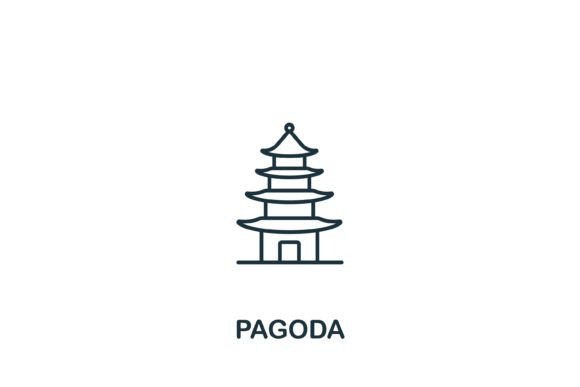
The Pagoda Icon is a clean, minimalistic design that evokes a sense of calm and sophistication. Its simple line structure makes it versatile, but also raises questions about its practicality in more complex embroidery scenarios. The shape feels like it belongs in a modern or traditional setting—depending on how you interpret the lines. It’s not overly intricate, which is good for some applications, but might be limiting for others.
From a visual standpoint, the icon has a strong, recognizable form that could work well as a logo or decorative element. However, its simplicity means it may not stand out in dense or busy designs. That said, it’s perfect for minimalist projects where subtlety is key.
Real-World Use: Where Does Pagoda Icon Fit Best?
I tested the Pagoda Icon on a custom embroidered tote bag for a client who wanted something subtle yet meaningful. The design worked well on a light-colored fabric, but I noticed that on darker backgrounds, the line became less visible unless the thread color was carefully chosen. This is important to consider if you're planning to use it on a variety of fabrics.
For custom apparel, like sweatshirts or t-shirts, the Pagoda Icon is ideal for small-scale embroidery. It doesn’t require a lot of stitch density, making it efficient for both personal and commercial use. However, if you're planning to use it on a larger scale, such as a full shirt or a baby onesie, you might want to adjust the size or add additional elements to avoid a sparse look.
When used as an embroidered patch, the design holds up well, especially when using a satin stitch or running stitch. It’s not too detailed, so it won’t cause issues with the hoop size or stabilizer. For a handmade product or personalized gift, this icon could add a nice touch without overwhelming the item.
Where to Be Cautious: Limitations and Considerations
While the Pagoda Icon is straightforward, there are a few areas where caution is needed. On small hoop sizes, the design might not translate well, especially if the lines are too thin. This could lead to gaps or uneven stitching, which is something to test before committing to a project.
Textured or stretchy fabrics can also affect how the design appears. If the fabric is too stretchy, the lines might distort or become misaligned. Thin or dark fabrics require extra attention to thread color contrast to ensure visibility. For layered garments or curved surfaces like caps, the design may need adjustments to fit properly.
Another thing to keep in mind is that the icon isn’t suitable for projects that require a lot of detail or dense stitching. If you’re planning to use it as part of a larger design, it might not hold up under heavy stitch coverage. It’s best suited for standalone pieces or as a complementary element.
Impact on Visual Appeal and Customer Perception
When it comes to visual appeal, the Pagoda Icon adds a touch of elegance without being overpowering. It works well in digital product previews and printable mockups, giving clients a clear idea of what the final product will look like. For a craft business or Etsy seller, this kind of design can enhance brand consistency and make your offerings more appealing.
Customer trust is another factor to consider. A well-executed embroidery design can elevate the perceived value of a handmade product or personalized gift. The Pagoda Icon, when used correctly, can contribute to a professional finish that customers appreciate. However, if the design is poorly executed or mismatched with the fabric, it could have the opposite effect.
For a small shop product or boutique branding, the icon can serve as a subtle but effective symbol. It’s easy to recognize, which helps with brand recall, and its simplicity makes it adaptable to different marketing materials.
Practical Designer Notes: Tips for Using Pagoda Icon
Before using any embroidery file, including the Pagoda Icon, it’s always a good idea to test it on scrap fabric. This allows you to see how the design looks in real life and make any necessary adjustments. Check the thread color contrast to ensure it stands out against the fabric, especially on dark or light backgrounds.
Review the stitch density to make sure it’s appropriate for the fabric type. If the design is too dense, it might cause puckering or stiffness. Confirm the hoop size required for the design and ensure your machine can accommodate it. Inspect small details closely, as even minor imperfections can affect the final result.
Test the design in black and white mockups to see how it looks without color. This can help identify any issues with contrast or clarity. Also, check how it works on different fabric types, including stretchy or textured ones. Use the proper stabilizer to prevent distortion, especially on delicate or stretchy materials.
Finally, confirm whether the design is suitable for both personal and commercial projects. Make sure you understand the licensing terms before selling finished items or digital products. The Pagoda Icon offers flexibility, but it’s important to follow the guidelines to avoid any legal issues.
Conclusion: A Versatile Symbol for Thoughtful Projects
The Pagoda Icon is a great choice for designers looking for a simple, elegant symbol that can be used across various embroidery projects. It’s ideal for custom apparel, handmade products, and personalized gifts where subtlety and professionalism matter. While it has its limitations, it also offers a lot of potential when used correctly.
Whether you're an Etsy seller, a craft business owner, or a creative entrepreneur, the Pagoda Icon can be a valuable addition to your design assets. Just remember to test it thoroughly, choose the right thread colors, and consider the fabric type before finalizing your project. With the right approach, this design can enhance your work and meet the needs of your customers.